Bathroom Mold Removal in Longbranch, WA
Mold removed from grout, caulk, ceilings and walls in your Longbranch bathroom. Call 24/7 to arrange an assessment and start your cleanup.
- Moisture source checked first
- Containment and HEPA filtration
- Clear removal and repair scope
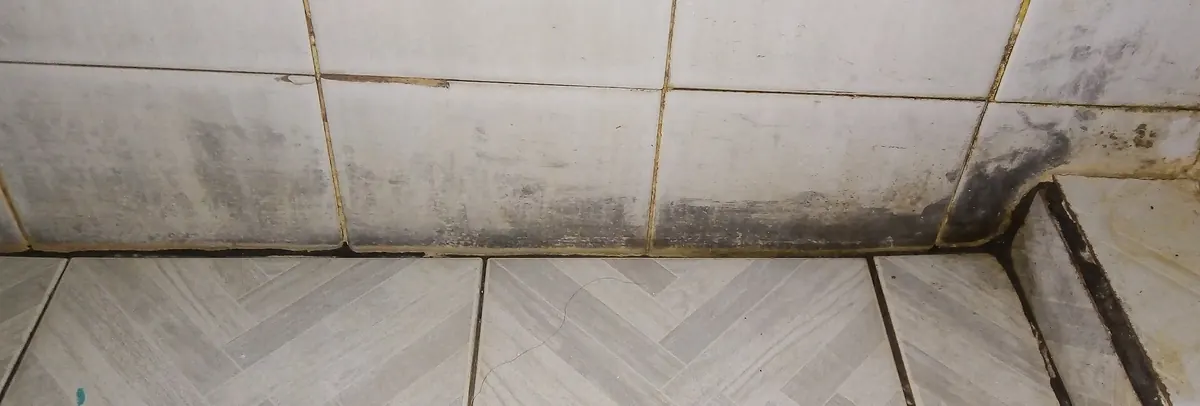
Explore Bathroom Mold Removal Services in Longbranch
Your bathroom cleanup removes growth from shower and tub surrounds, ceilings, vanity cabinets and affected bathroom walls. The moisture source is traced before cleaning begins.
Containment is used when damaged backing behind your tile is exposed. Caulk with mold and grout that cannot be saved come out. Tile and joints that remain sound are cleaned, dried and then resealed if your scope includes that step.
Your assessment looks for concealed dampness because ceiling mold, poor bathroom ventilation and a leaking shower call for different repairs. Before work begins, a written scope sets out the cleanup and identifies plumbing or finish repairs separately.
- Cleanup for tub surrounds and shower mold
- Grout, caulk and joint treatment
- Ceiling and shower wall cleaning
- Vanity and behind-tile assessment
- Contained drywall removal and drying
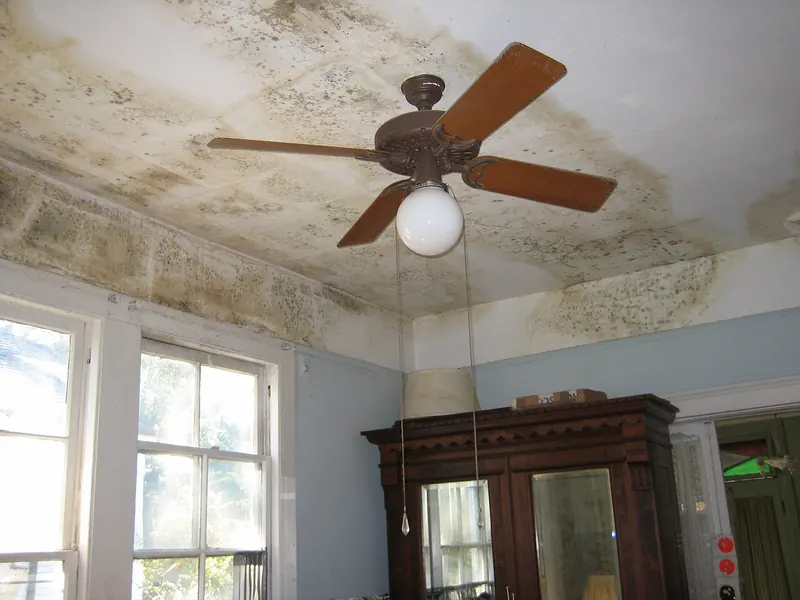
Bathroom Mold Removal Warning Signs
Paint alone will not address your bathroom's recurring spots, musty odor or damp finishes.
Musty Smell After Showers
You may have trapped moisture when condensation and persistent smells occur without visible mold.
Black Spots Return After Cleaning
Dampness behind your grout or caulk allows mold in shower joints to return.
Growth Exposed During a Bathroom Remodel
Taking tiles off may expose affected materials beyond the reach of surface cleaning.
Soft Drywall Beside the Tub
Look for possible damage behind the tub when bathroom walls soften, vanity backing swells or tiles loosen.
Peeling Paint Across the Bathroom Ceiling
Moisture above your ceiling finish may accompany water stains, bubbling paint or mold on bathroom ceiling surfaces.
Understanding the Bathroom Mold Removal Process
Your cleanup starts with assessment. Contained removal leads into cleaning and drying, then final checks.
Call and Bathroom Assessment
Begin your call by discussing bathroom access and the surfaces affected. A moisture meter maps damp areas; a thermal imaging camera can help locate temperature differences but does not identify mold.
Moisture Source and Scope
Your shower and sink are checked along with the exhaust path. Leak repair and ventilation corrections are defined alongside cleanup before work starts.
Bathroom Containment
Around your work area, the containment barrier consists of poly sheeting. Dust spread during removal is limited using a HEPA air scrubber, protective equipment and negative air pressure.
Damaged Material Removal
Removal as needed includes damaged drywall behind shower tiles, moldy caulk and cabinet backing that cannot be saved. Waste goes into bags within the contained zone before leaving your bathroom.
Surface Cleaning
Using a HEPA vacuum alongside damp cleaning clears residue and growth from intact surfaces. Appropriate antimicrobial treatment complements the cleaning process; cleaning cannot be skipped.
Controlled Bathroom Drying
Inside containment, air movers work alongside a dehumidifier to help drying. Moisture readings monitor progress ahead of finish repairs and replacement of materials.
Post-Remediation Check
Containment remains until drying, cleaning and the agreed post-remediation verification are complete. When the scope includes clearance testing, use an independent assessor for testing.
Bathroom Mold Removal: Why Choose Seattle Mold Removal Services
Calls Answered 24/7
You can start your bathroom cleanup with one number for the whole metro, day or night.
Bathroom Moisture First
Tracing dampness during your pre-removal assessment shapes cleanup to address the source together with the visible growth.
Removal Through Final Checks
Damaged materials come out rather than receiving paint, with cleaning and drying verified before removing containment.
Clear Scope and Contained Work
Your scope is explained before work starts, with containment and HEPA filtration matched to the affected area.
Pierce County Bathroom Mold Removal Preparation Steps
Call for your assessment and avoid disturbing any affected surface.
- Stop using leaking fixtures. Avoid electricity near wet areas.
- Keep the work area clear. Children and pets must stay clear of visible mold growth.
- Leave finishes in place. Avoid sanding, dry brushing or beginning tear out.
- Avoid blowing on growth. Keep fans pointed away from mold; do not operate HVAC equipment suspected of contamination.
- Limit fresh water damage. To prevent mold growth, EPA recommends that you dry water-damaged items and areas within 24 to 48 hours.
Your Bathroom Mold Removal Cost in Longbranch
Size of the affected area, along with access behind bathroom fixtures, determines your price. These published national ranges illustrate how cleaning behind tubs or vanities differs from surface work.
Bathroom mold removal
$500 to $1,000 per jobSource: This Old House, Mold Remediation Cost (cost data credited to Angi) (checked 2026-10-23)Surface mold; up to $8,000 behind a vanity or tub
$500 to $8,000 per jobSource: Bob Vila, Mold Remediation Cost (cites Angi and HomeAdvisor) (checked 2026-10-23)Longbranch Bathroom Mold Cleanup Cost Factors
- Leak repair and ventilation work
- Reaching areas behind the tub or vanity
- Containment and HEPA filtration
- Tile, drywall and finish replacement
- Affected square footage
Your Price for Bathroom Cleanup
These published national ranges are planning figures. Your on-site assessment defines the work and price before cleanup starts, including any separate source repairs or rebuilding.
Call (844) 352-3560 about costBathroom Mold Removal Service Area Across Greater Seattle
Call (844) 352-3560 to arrange cleanup in Longbranch or nearby communities. One number covers the metro.
Bathroom Mold Removal in Locations Near Longbranch
ZIP codes
Answers to Bathroom Mold Removal Questions in Longbranch
Should testing take place before or after cleaning bathroom mold?
According to EPA, visible mold often makes air sampling unnecessary. The affected surfaces and moisture issue are established through inspection. Before dismantling containment after removal, verify that cleaning and drying are complete. When clearance testing is required in the scope, use an independent assessor for testing. Indoor mold levels have no federally set limit.
Is bathroom use allowed while cleanup is underway?
You cannot use the affected bathroom while containment, removal and cleaning take place. You may use another bathroom if reaching the room avoids the work zone. Whether you can practically stay home depends on household needs, shared ventilation and your layout. Reopening comes after required repairs and final checks.
Can bathroom mold come back after cleaning?
Mold may grow again when you leave the water problem unresolved. Begin cleanup by addressing the moisture source: leaks, exhaust issues and condensation. Affected surfaces are cleaned and dried before repairs close them in. Ongoing bathroom humidity control and completed leak repairs help prevent the same conditions from developing again.
Will the moisture problem in the bathroom also be corrected?
Your moisture source is located during assessment; necessary fixes are specified before finishing cleanup. Plumbing repairs, waterproofing and exhaust work are included only when listed in your scope. Separate repairs are identified ahead of the work so an unfixed leak stays uncovered by new finishes.
How much will bathroom cleanup cost in Pierce County?
An on-site assessment checks hidden damage and affected surfaces before your price is determined. The cost cards published above list sources and units for national pricing ranges. Access behind a tub, containment, drying and replacement finishes can change the total. You get scope and pricing details ahead of the work.
How long does bathroom cleanup take in Longbranch?
After assessment, your cleanup schedule is established. Opening a shower wall, taking out drywall and drying the cavity requires different work than a surface cleanup. Moisture readings inform the drying schedule. Keep your bathroom restricted until verification, cleaning and all repairs needed to use the room are finished.
Will tile or drywall need to be removed?
Sound tile can often stay when growth is limited to accessible surfaces. Moldy materials in a wall, damaged drywall and loosened tile backing may have to come out. Actual damage guides removal, not a stain's color; your assessment determines what needs opening and what can be cleaned.
Washington Insurance for Bathroom Mold Cleanup
Your homeowners policy's exclusions, deductible, mold limits and the cause of moisture determine coverage. Decisions may differ for rebuilding, cleanup and repairs to the moisture source.
Mold Safety for Bathrooms in Greater Seattle Homes
Containing the work area reduces the spread of spores when moldy surfaces are disturbed.
Sensitive Occupants
CDC notes that mold can trigger allergy and asthma symptoms in some people.
Bathroom Dust Control
HEPA filtration supports particle control during cleaning and removal.
Mold Color
CDC explains that mold color does not indicate the level of risk.
Hidden Bathroom Damage
You cannot judge backing condition from clean tile faces.
Cleanup scope: For areas below about 10 square feet, EPA says homeowner cleanup is often possible. Larger areas, HVAC systems or mold from sewage or contaminated water call for professional help.
Cleaning or Removing Bathroom Materials in Pierce County
Sound surfaces are cleaned where possible; damaged porous materials may need removal.
Non-porous surfaces
- Sound glass, glazed tile and metal are cleaned and dried.
Porous materials
- Sound wood framing may be cleaned; damaged drywall and swollen cabinet backing may need removal.
Bathroom finishes
- Replace affected grout and caulk after cleaning and drying, removing the materials when needed.
Pierce County Bathroom Cleanup Schedule
Your schedule follows access, removal, drying and repair after remediation.
- Access: Taking out tiles and fixtures can mean additional work.
- Drying: Moisture readings determine readiness for repairs.
- Reopening: Replacement finishes and final checks influence the timing of your return to the room.
Bathroom Humidity and Odor in Longbranch
The assessment investigates your musty odor. Its source remains even if you add fragrance.
Keep your indoor relative humidity under 60 percent as EPA recommends; ideally, aim for 30 to 50 percent. Your dehumidifier cannot take the place of an operating bathroom exhaust fan.
Washington Bathroom Cleanup Requirements
Bathroom Work Requirements
The Washington Department of Health says the state has no specific certification requirements for mold or water damage restoration. It suggests confirming any contractor's registration, bond and insurance, which you can check on the Department of Labor and Industries (L&I) contractor lookup.
Repair Permits
What permits you need depends on planned plumbing, building and electrical work.
Rental Bathrooms
Washington's Department of Health says renters can report building problems that cause moisture to their county or city building code enforcement office. It also notes that those offices may not respond to mold complaints themselves, so the water source is the key issue.
State Mold Information
The Washington State Department of Health publishes a Mold fact sheet and renter and landlord mold guidance. It says you usually do not need to sample for mold because it can be seen or smelled, and it suggests a professional for large or hidden areas.
State guidance: WA Department of Health, Identifying an Unknown Indoor Air Quality Problem (hiring a contractor); WA Department of Health, Mold fact sheet (PDF); WA Department of Health, Mold for renters and landlords; RCW 59.18.060 Landlord duties; WA Labor and Industries, Hiring a Contractor
Related Services and Next Steps
Start Your Bathroom Mold Removal in Longbranch
Call 24/7 to arrange your assessment. Your cleanup starts with the affected surfaces, moisture source and access to your home.